
6 Nutrition Strategies for PCOS
Update, May 2026: PCOS has been officially renamed PMOS (polyendocrine metabolic ovary syndrome) following a global consensus process published this month in The Lancet.
If you search for PCOS nutrition advice online, you'll find no shortage of it. Eliminate carbohydrates. Avoid dairy. Fast until midday. Cut sugar entirely. Try this supplement stack. The volume of advice is high; the quality is more variable.
This post covers six strategies that have actual research behind them for PCOS and insulin resistance. None of them require cutting everything out. All of them work by supporting the underlying physiology rather than fighting it.
A brief note on why insulin resistance is the target
The central mechanism connecting PCOS and fertility challenges is insulin resistance. When cells stop responding normally to insulin, the pancreas produces more of it to compensate. Chronically elevated insulin stimulates the ovaries to produce more androgens, which are testosterone-like hormones. Elevated androgens disrupt normal follicle development and, with it, ovulation.
Improving insulin sensitivity addresses this mechanism directly. Research consistently shows that improvements in insulin markers, androgen levels, and ovulation frequency can occur through dietary and lifestyle changes, without weight loss being the required outcome.
Strategy 1: Carbohydrate quality over quantity
The most common piece of PCOS nutrition advice is to cut carbohydrates. The evidence is more nuanced than that.
What matters more than the amount of carbohydrate you eat is the type: carbohydrates that produce a slower, more gradual glucose response place less demand on the insulin system. Whole grains, legumes, vegetables, and fruit all fit this description. Highly refined carbohydrates, including white bread, processed snacks, and sugary drinks, produce a faster and higher glucose spike, which drives a larger insulin response.
This doesn't mean eliminating carbohydrates. It means shifting the balance toward those that work with your physiology. Glycaemic load, which accounts for both the quality and the quantity of carbohydrate in a portion, is a more useful practical concept than cutting carbs as a category.
Strategy 2: Pairing carbohydrates at meals
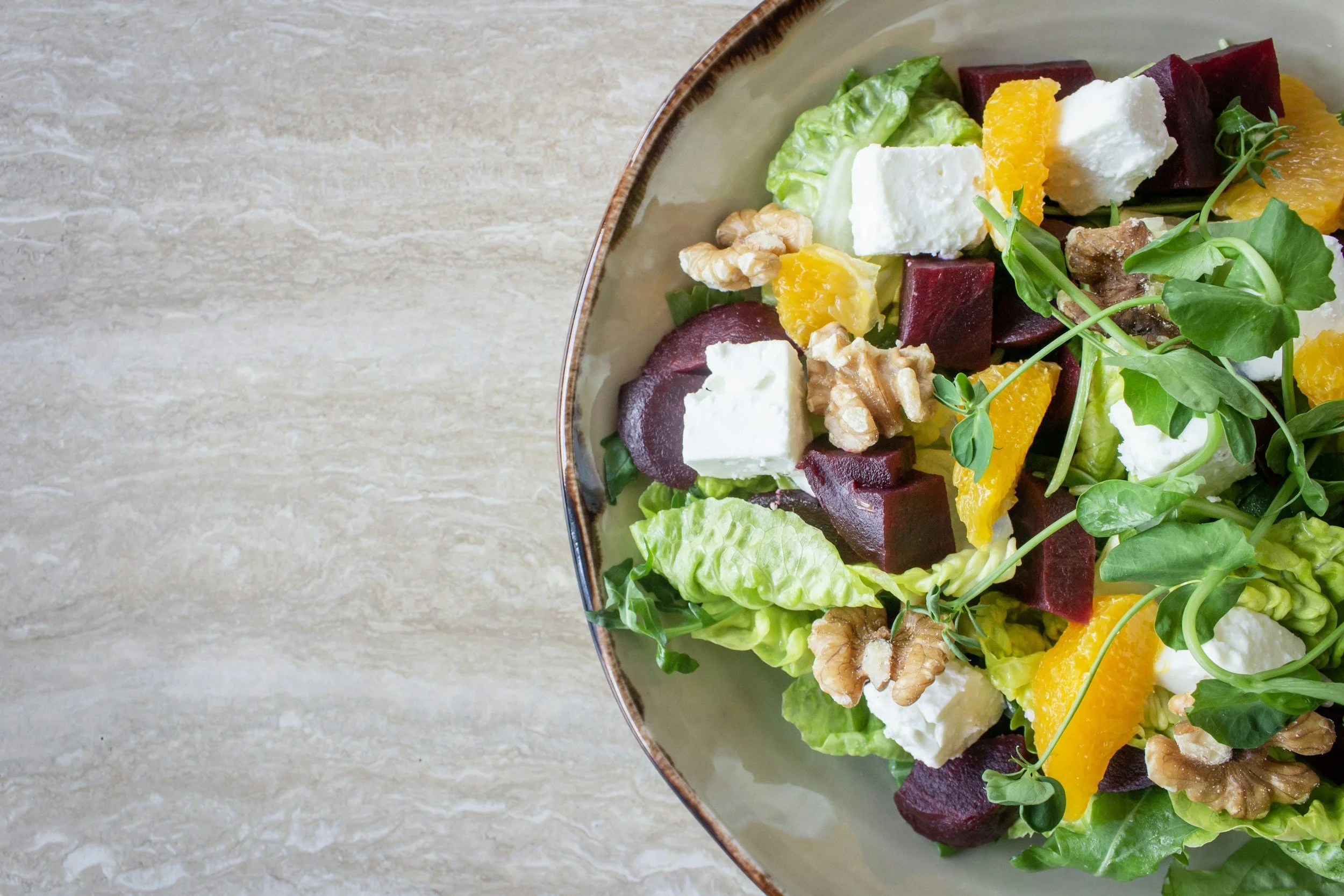
Even a moderate-GI carbohydrate absorbs differently when eaten alongside protein, fat, or fibre. Adding these to a meal slows gastric emptying and blunts the blood glucose response.
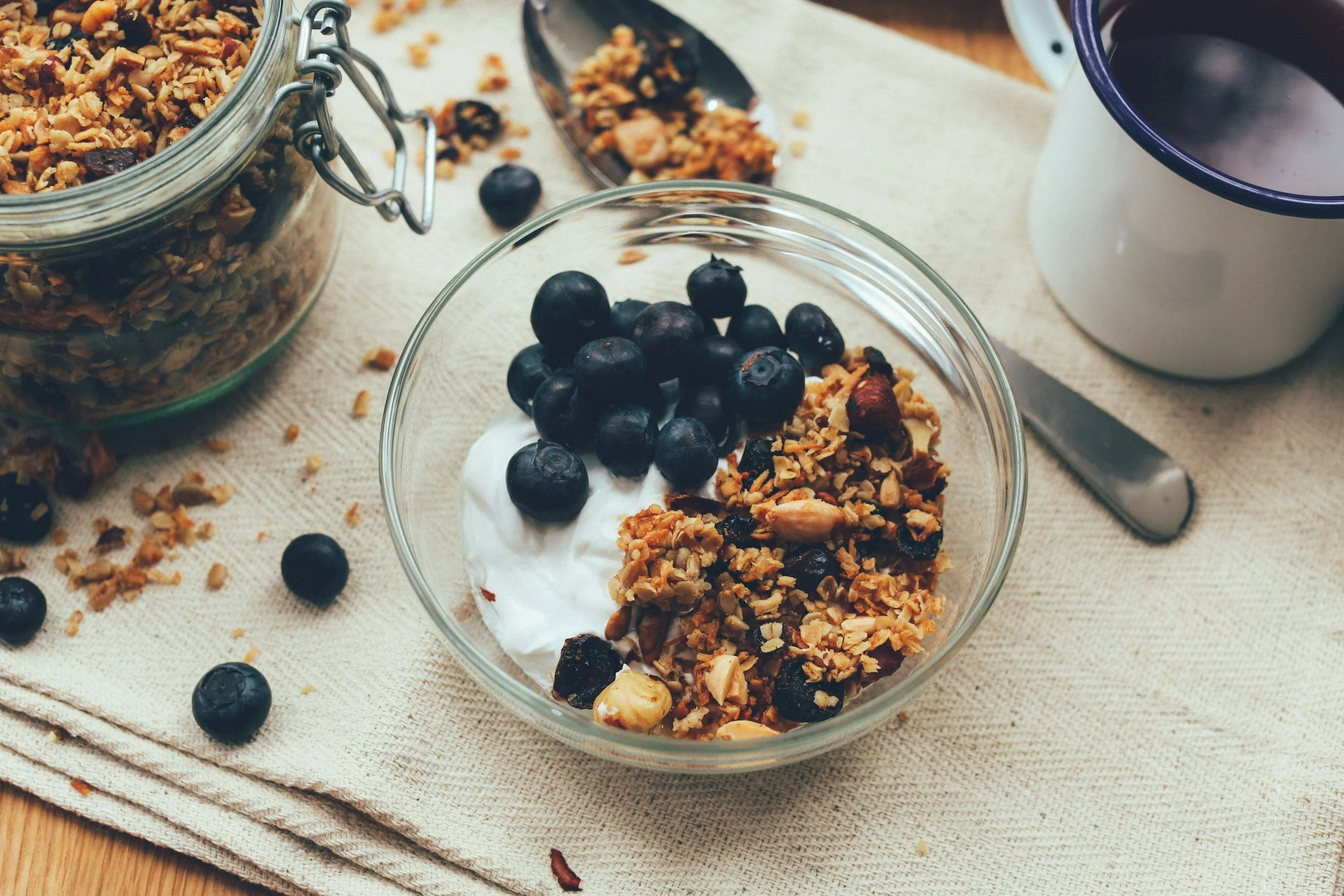
In practice: oats with Greek yoghurt and nuts absorbs differently to oats alone. Rice with fish, vegetables, and olive oil absorbs differently to rice alone. This pairing principle is one of the most accessible dietary changes available because it doesn't require replacing anything, only adding.
Strategy 3: Omega-3 fatty acids
Omega-3 fatty acids have anti-inflammatory properties, and PCOS is characterised by chronic low-grade inflammation. Research suggests that omega-3 intake may also help reduce androgen levels in PCOS, which has a direct effect on the ovulatory picture.
Dietary sources include oily fish such as salmon, sardines, and mackerel, as well as walnuts and flaxseed. For those who don't eat fish, algae oil is the most bioavailable plant-based source, as the body converts flaxseed-derived ALA to the active forms EPA and DHA poorly. A 2:1 ratio of EPA to DHA appears most beneficial for inflammation. Discuss supplementation with your dietitian or GP before starting.
Strategy 4: Inositol
Inositol is a compound that acts as an insulin sensitiser, enhancing the body's ability to move glucose into cells. Two forms, myo-inositol and d-chiro-inositol, have the strongest evidence in PCOS specifically.
Research consistently shows that a 40:1 ratio of myo-inositol to d-chiro-inositol is the most effective for improving insulin sensitivity, androgen levels, and ovulation frequency. High doses of d-chiro-inositol alone are not recommended as they may negatively affect egg quality. The typical effective dose is 2000mg of myo-inositol and 50mg of d-chiro-inositol daily, taken across two meals.
This is one of the more well-evidenced supplement strategies for PCOS. Discuss with your dietitian or GP before starting, particularly if you are also taking Metformin, as combining the two requires careful monitoring.

Strategy 5: Vitamin D
Studies suggest that between 67 and 85 percent of people with PCOS are deficient or insufficient in vitamin D. This is not incidental: low vitamin D is associated with worse insulin resistance, more irregular cycles, and elevated androgens. The mechanism involves vitamin D's role in insulin signalling and its influence on reproductive hormone production.
For reproductive health, a serum vitamin D level of 75 to 100 nmol/L is considered optimal. Testing first is the most useful approach, as supplementation dose should be calibrated to your actual level. Standard supplementation ranges from 1000 to 4000 IU per day depending on the degree of deficiency. Discuss with your GP.
Strategy 6: Spearmint tea
Spearmint has anti-androgenic properties, meaning it may reduce androgen activity in the body. Two cups of spearmint tea per day has evidence for reducing androgen-related symptoms, including excess hair growth (hirsutism), and for supporting LH/FSH hormone balance.
One frequently cited study showed a measurable effect on androgen levels within five days of consistent consumption. The evidence base is still relatively small, but the safety profile is excellent and the practical barrier to trying it is low. This is best understood as a complement to other strategies rather than a standalone treatment.
What these strategies have in common
None of these strategies require cutting out food groups. None depend on a strict protocol or a perfect eating pattern. Each works by supporting the body's physiology: specifically by targeting insulin resistance, inflammation, and androgen production, the three key drivers of PCOS symptoms and fertility challenges.
The best version of these strategies is the one that fits your actual life: your food culture, your schedule, and your relationship with eating. Sustainable changes to dietary patterns consistently outperform intensive interventions in long-term outcomes for PCOS. Starting with one or two of the above, and building from there, is a reasonable approach for most people.
Wherever you're starting from, there's a version of this that works for your circumstances.