
Can nutrition support implantation? What a IVF study tells us about beetroot, watermelon, and ginger juice
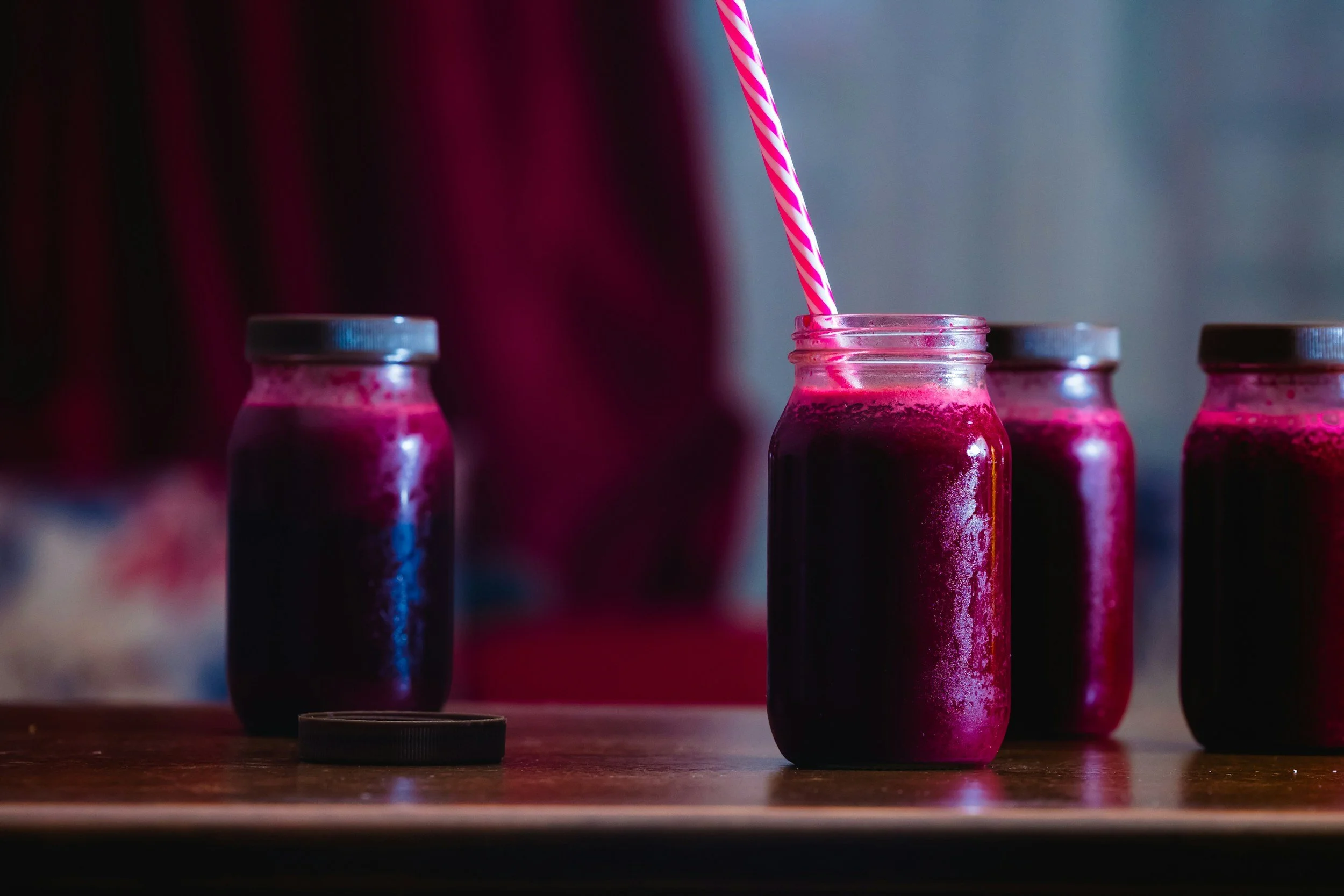
What is implantation and how are we trying to support it with nutrition?
Implantation is the moment when an embryo attaches to the lining of the uterus and begins to establish a pregnancy. In assisted reproduction, this happens after an embryo transfer, during a very narrow window of just a few days.
At this stage, a lot has already gone right: eggs were retrieved, fertilisation happened, an embryo developed well enough to be transferred. And yet, implantation remains one of the biggest points of uncertainty in fertility treatment.
When we talk about “improving implantation,” we’re not trying to force the body into doing something unnatural. The goal is much simpler:
to support a receptive endometrium, with good blood flow, appropriate immune signalling, and an environment that allows the embryo to settle in and continue developing.
Even small shifts at this stage can matter. That’s why researchers are interested in factors like uterine blood flow, inflammation, and oxidative stress during the implantation window; this why nutrition sometimes enters the conversation.
Who this information may be relevant for:
This study we are going to discuss is most relevant for people who are:
Undergoing IVF or ICSI, particularly around embryo transfer
Curious about non-invasive, food-based ways to support implantation alongside medical care
It’s not evidence that everyone trying to conceive should drink a specific juice.
It’s also not a guarantee of success, or a replacement for medical treatment.
What it does offer is a closer look at how short-term nutritional strategies, used during a very specific phase of treatment, might support the conditions needed for implantation without adding risk, restriction, or pressure.
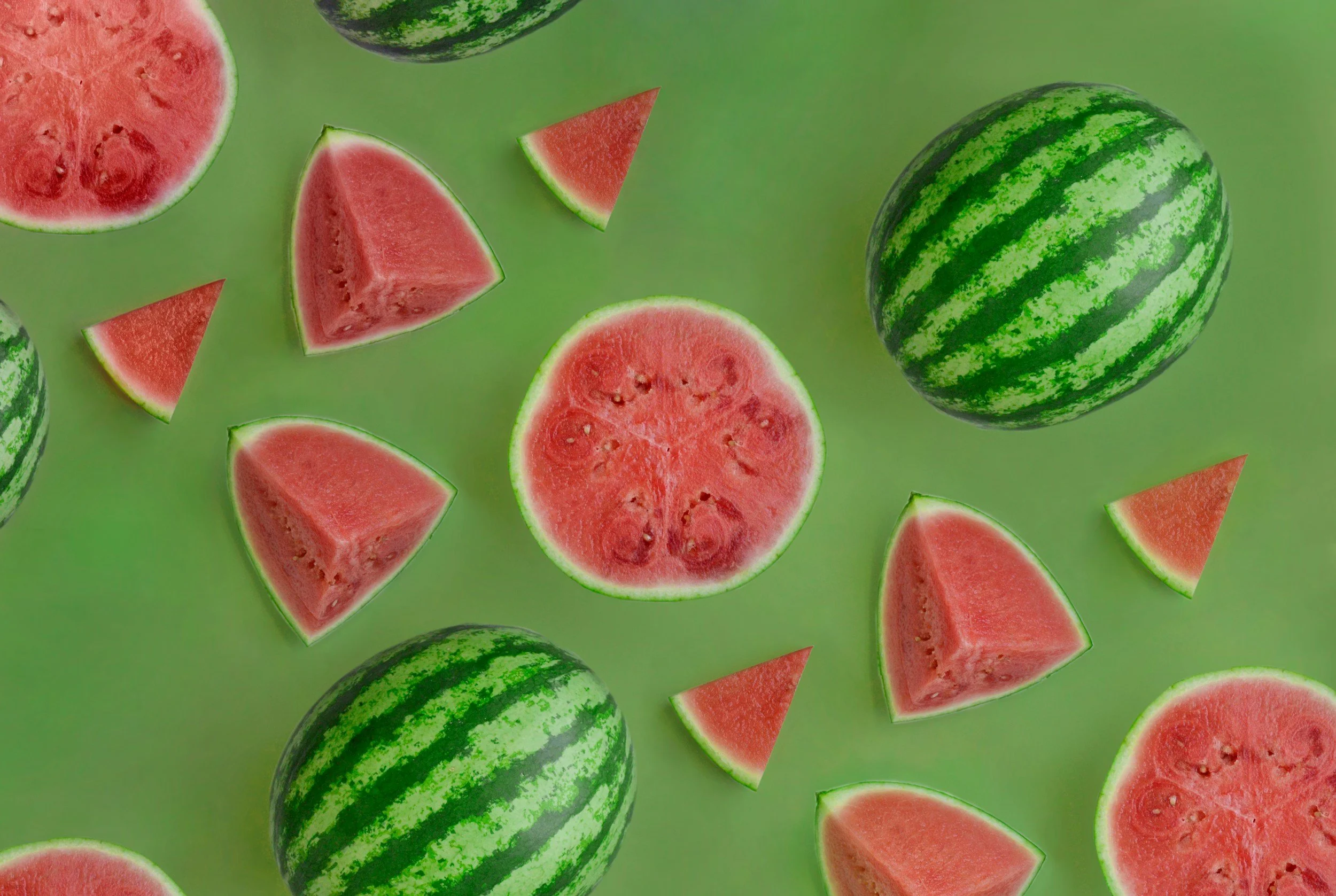
Why beetroot, watermelon, and ginger specifically?
This study didn’t pick ingredients at random. Each one has a plausible biological link to blood flow, inflammation, and endometrial receptivity.
Beetroot
Beetroot is rich in dietary nitrates, which the body can convert into nitric oxide. Nitric oxide plays a key role in vasodilation, meaning it helps blood vessels relax and widen. In fertility terms, that matters because good blood flow supports endometrial development and implantation. Beetroot also contains antioxidants that may help counter oxidative stress, which has been linked to poorer reproductive outcomes.
Watermelon
Watermelon is one of the richest natural sources of L-citrulline, an amino acid that the body converts into L-arginine, another precursor to nitric oxide. Compared to taking L-arginine directly, citrulline appears to raise nitric oxide levels more effectively. Watermelon also provides lycopene, a compound associated with vascular health and antioxidant activity, again pointing toward potential benefits for uterine blood flow and implantation support.
Ginger
Ginger is best known for its anti-inflammatory and antioxidant properties, but it also appears to influence nitric oxide pathways and platelet aggregation. In simple terms, ginger may help create a less inflammatory, better-perfused environment, which is relevant during the narrow implantation window.
None of these foods act as fertility “boosters” on their own. What makes them interesting is how they may support the micro-environment of the endometrium during a very specific phase of treatment.
Did the beetroot, watermelon, and ginger juice actually show fertility benefits?
In this prospective randomised study, 296 women undergoing ICSI were assigned either to standard care or to a supplementation group. The supplementation group drank a daily homemade juice containing beetroot, watermelon, and ginger from the day of embryo transfer until the pregnancy test.
After adjusting for key factors like age, BMI, endometrial thickness, and number of embryos transferred, the results showed:
Higher implantation rates in the juice group (25.2% vs 20.5%)
Higher clinical pregnancy rates in the juice group (41% vs 22%)
No significant difference in miscarriage rates between groups
Importantly, embryo quality, stimulation protocols, and baseline characteristics were similar across both groups. That suggests the differences observed were unlikely to be explained by “better embryos” or more aggressive treatment alone.
Beetroot, watermelon, and ginger juice recipe
200g watermelon
80g raw beetroot
20g raw ginger
Blend the ingredients together until smooth. Blending instead of juicing helps ensure more fibre and nutrients are maintained in the final product.
The participants in the study were instructed to drink the juice daily from the day of the embryo transfer until the day of their pregnancy test.
The key takeaway
This study doesn’t prove that juice causes pregnancy. But it does suggest that short-term, food-based support of blood flow and inflammation during implantation may matter; that simple dietary additions, when used thoughtfully and without pressure, could play a supportive role alongside medical treatment.
References:
Halpern, G., Braga, D. P. A. F., Morishima, C., Setti, A. S., Setti, A. I., Jr, & Borges, E., Jr (2023). Beetroot, watermelon and ginger juice supplementation may increase the clinical outcomes of Intracytoplasmic Sperm Injection cycles. JBRA assisted reproduction, 27(3), 490–495. https://doi.org/10.5935/1518-0557.20230012